Christmas Stocking and Bear Redwork Embroidery Design Review
First Impressions: Festive and Charming
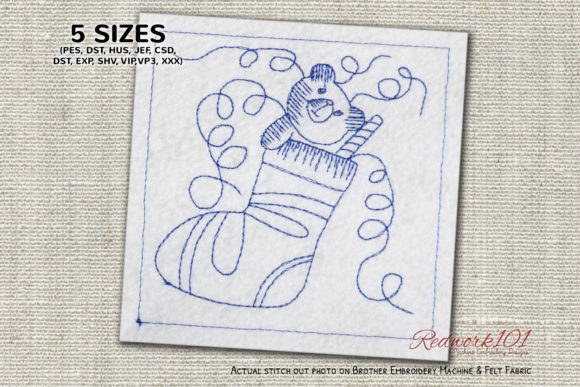
The title Christmas Stocking and Bear Redwork immediately evokes a warm, festive vibe. Redwork embroidery is classic for the holiday season, known for its simplicity and bold use of red thread on white or light-colored fabrics. This design seems to blend that traditional charm with a touch of whimsy by incorporating a bear — possibly suggesting a playful or child-friendly twist. The overall impression is cute, farmhouse-style, and festive, which makes it an excellent candidate for craft fairs and handmade markets where customers are often looking for unique, seasonal items.Product Application: Where It Shines
- Tote Bags: The Christmas Stocking and Bear Redwork design adds a nostalgic, handcrafted feel when stitched onto cotton canvas or linen tote bags. Its bold lines and simple shapes photograph well and catch attention from afar.
- Apron Embroidery: On aprons, especially those in natural or off-white tones, this design feels like a thoughtful personalization. A small placement near the pocket or waistband can give a subtle holiday nod without overwhelming the product.
- Tea Towels & Kitchen Linens: Redwork is a staple in kitchen décor. This design looks great on tea towels, dishcloths, or oven mitts. It brings a cozy, decorative touch that appeals to both practical and aesthetic buyers.
- Embroidered Patches: As a patch, the bear and stocking could be used as a holiday-themed accessory for backpacks, denim jackets, or even kids’ hats. The monochrome nature of redwork makes it easy to transfer and sew on various surfaces.
- Fabric Pouches & Pillow Covers: These items are perfect for showcasing detailed embroidery. The bear and stocking motif works well as a central design element, especially if you use contrasting thread colors to highlight the details.
- Handmade Gifts: Stitched onto gift tags, ornament covers, or mini stockings, this design elevates your offerings into premium, personalized gifts. It's ideal for Etsy sellers who focus on bespoke holiday items.
- Cap Embroidery: Be cautious here — curved surfaces may distort the design unless it's properly adjusted. If the bear is small and centered, it can add a fun, festive detail to a baseball cap or beanie.
- Booth Samples: Displaying this design on a large pillow cover or market bag will help draw customer attention and serve as a visual anchor for your booth. It’s versatile enough to match multiple themes.
Production Practicality: What You Need to Know
From a production standpoint, the Box Stitch shown in the image is optional, which gives you flexibility in final presentation. However, keep in mind that skipping the outer box might affect the design’s visibility on certain fabrics or when displayed alongside other items.The color of the outer Box varies in most designs, so unless it’s part of the main illustration, you can choose to omit it. This is great news for digital sellers aiming to customize their output based on fabric choices or brand aesthetics. But remember to always check whether the file includes commercial licensing before selling finished products, as many free files cannot be used for retail purposes.
Design Clarity and Readability
One thing I look for in machine embroidery designs is how they appear at a glance. The Christmas Stocking and Bear Redwork manages to stay clear and legible even when scaled down, which is important for small shop products like patches or mini pouches. Tiny details such as facial expressions on the bear or intricate stitching on the stocking should be visible but not overly complex, reducing the risk of stitch failure or loss of definition during mass production.Careful Use Notes for Optimal Results
Here are some tips to help you avoid common pitfalls when using the Christmas Stocking and Bear Redwork design:- Dense Stitch Areas: Some parts of the design, like the stocking outline or the bear’s body, may have tight stitch patterns. Monitor these sections for heat sensitivity or potential distortion on thin fabrics.
- Tiny Details: Facial features or small lettering (if included) may lose clarity when embroidered on stretchy or textured materials. Always do a test run before producing multiples.
- Thick Fabric: Cotton duck or heavy linen holds up well under dense embroidery. For thinner materials like muslin or flannel, consider using a tear-away or cut-away stabilizer.
- Textured Towels: Avoid stitching this design on highly textured kitchen towels unless you adjust the stitch density or use a stabilizer to prevent skipped stitches.
- Dark Fabric: While technically possible, embroidering on black or navy fabric may dull the impact of the red thread. Stick to white, cream, or pastel shades for best visibility.
- Small Sizes: If you reduce the design significantly, the bear or stocking might become too small to recognize. Keep a minimum size threshold to maintain visual appeal.
Visual Appeal and Customer Engagement
What sets Christmas Stocking and Bear Redwork apart is its ability to create a sense of warmth and tradition. In a craft fair setting, it’s the kind of design that draws people in — especially during the holiday season. Whether it’s a tote bag with a soft, minimal feel or a more decorative apron with rich stitch density, the design offers versatility while maintaining a cohesive brand identity.This design also helps build handmade quality and product value. Customers appreciate the craftsmanship behind redwork embroidery, and seeing the bear and stocking motif can evoke nostalgia, making them more likely to purchase as a keepsake or gift.
Booth Display Strength
When setting up your table, placing a large version of this design on a pillow cover or wall hanging can act as a focal point. Smaller versions on tote bags or aprons complement the display and offer a range of price points. This strategy allows you to showcase the same design assets in multiple formats, reinforcing brand consistency and helping buyers engage with your collection more deeply.Designer Tips for Success
- Test on Scrap Fabric: Always try the design on a few different materials to see how it behaves with your machine and threads.
- Check Thread Contrast: Ensure the red thread is vibrant and complements the fabric base. Sometimes a slightly different shade can enhance visibility and depth.
- Review Spacing: If you're repeating the design, confirm that there's enough space between each instance to avoid overcrowding.
- Confirm Hoop Size: Make sure your hoop fits the design comfortably. Overstuffing can lead to misalignment and poor stitch outcomes.
- Inspect Stitch Density: Look for tight areas that may need extra support or adjustments in the embroidery software.
- Use the Right Stabilizer: Especially important for delicate or stretchy fabrics. Choose tear-away for cottons, and cut-away for knits or felt.
- Create Real Mockups: Before committing to a full production run, make a couple of real samples to present at your booth or upload to Etsy listings.
- Compare Fabric Colors: Test the design on several light-colored fabrics to see which one makes it pop the most visually and photographically.
- Confirm Commercial Licensing: If you plan to sell the finished product, double-check that your embroidery file comes with the appropriate license for resale and commercial use.
Final Thoughts for Craft Fair Sellers
The Christmas Stocking and Bear Redwork is a solid choice for anyone preparing for a holiday-themed craft fair. It’s adaptable, charming, and aligns perfectly with the handmade product aesthetic that customers love. Whether you're an experienced embroidery business owner or a boutique maker just starting out, this design can elevate your booth and increase buyer engagement through its festive, timeless appeal.Just remember to approach it with care — especially in terms of fabric selection, hoop sizing, and stitch management. With the right preparation, this design can become a standout item in your collection, helping you stand out in the crowd and connect with shoppers looking for meaningful, handcrafted holiday finds.